Joy and Longing: The Reason Why Christmas Works
When the question of “what’s your favorite holiday?” is asked, it’s often followed by something to the effect of, “…besides Christmas, of course.”
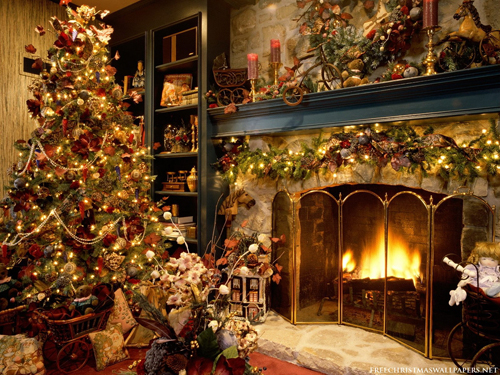
Christmas is the holiday of holidays. As much as the contrarians would like to argue in defense of Halloween or Easter, Christmas is truly in a league of its own. No other holiday hovers in our subconscious for a full two months before it happens, then begins to fully take over in the middle of the month before. Christmas comes with its own parties, soundtrack, mounds and mounds of decorations (just visit one of the many year-round Christmas decoration stores), and its own Christmas bonuses and sales explosions (as a business owner I can’t overstate how important Christmas is to our numbers).
Christmas is the event of the year.
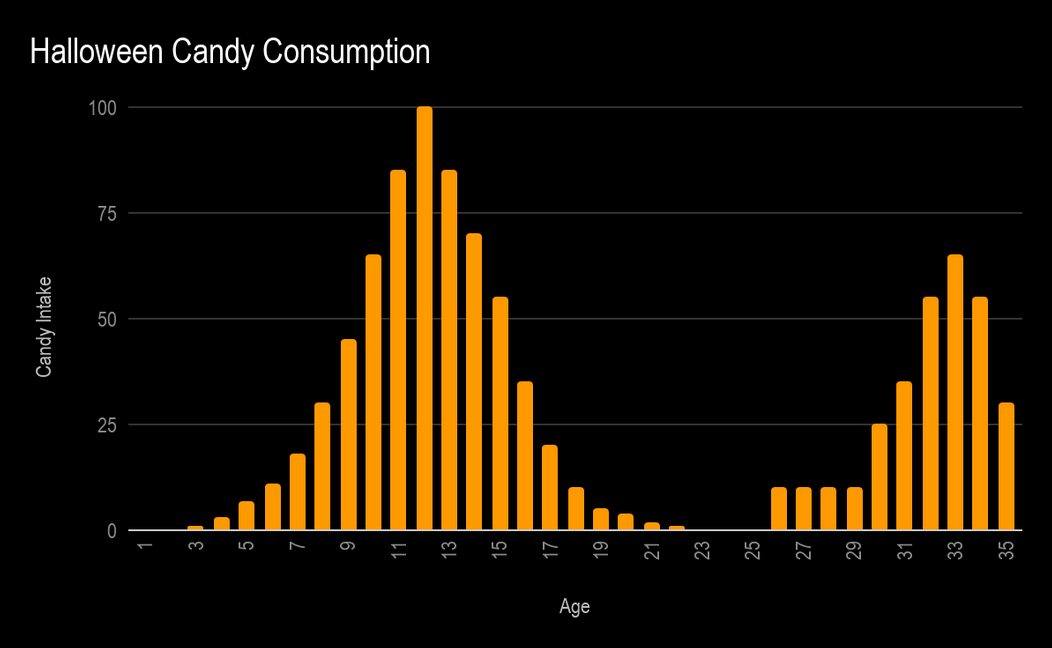
What did Easter, or Valentines Day, or Thanksgiving, or Independence Day do wrong to miss out on all this? Well, Easter is pleasant. Valentines Day is mushy. Thanksgiving is plentiful. Halloween is spooky. Christmas, however, can not be summarized by one emotion. It must be summarized by two: joy and longing. And it works.
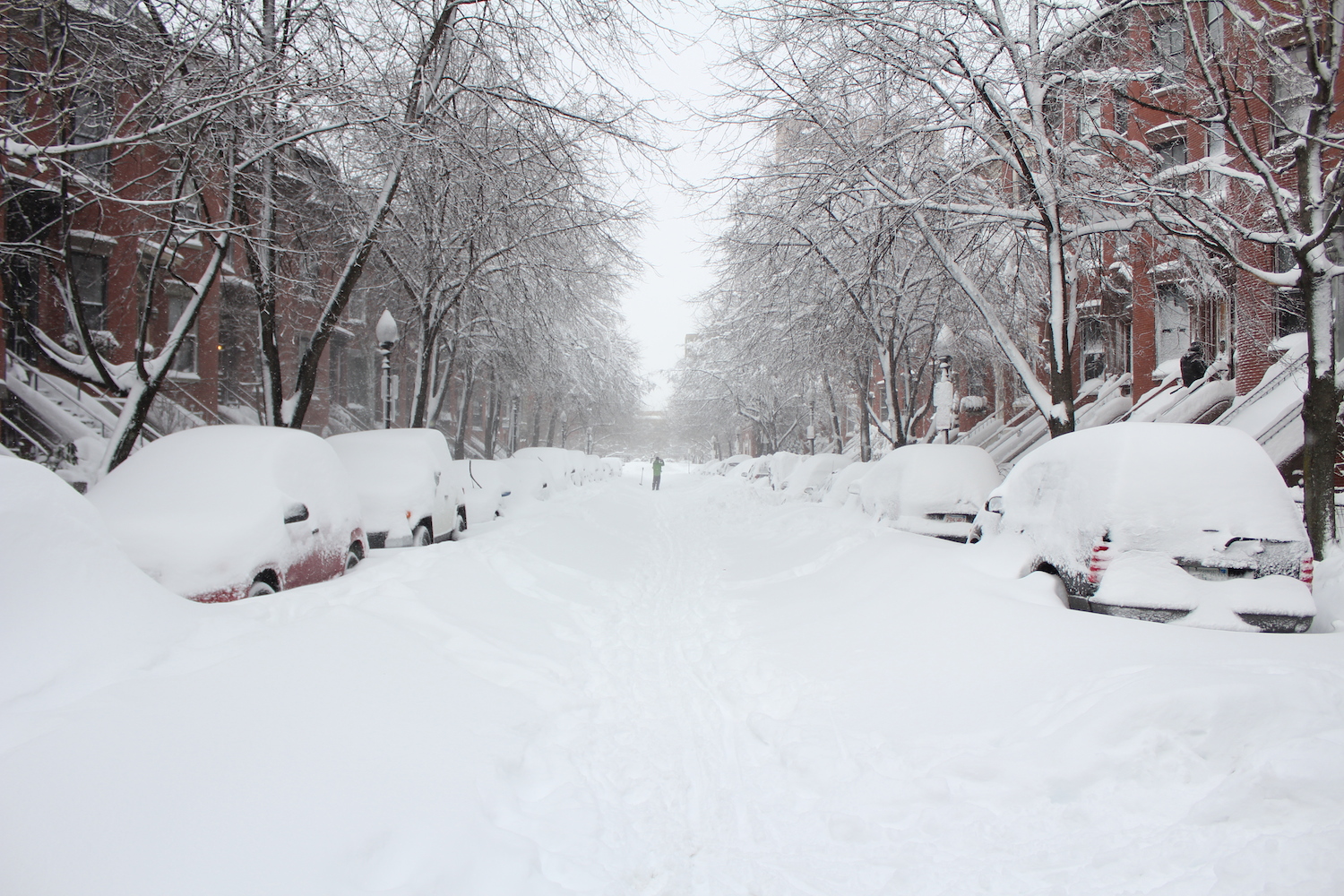
Christmas delivers the deepest joy of the year while also brewing up an intense thoughtfulness and longing for days gone by. The jolly ghost of Christmas present must share the stage with the wistful ghost of Christmas past. For starters, it’s no coincidence that Christmas occurs in literally the darkest and coldest time of the year (the winter solstice hits right around mid to late December). The contrast of scraping out some jolliness on what would otherwise be the dreariest season immediately brings the dualistic nature of the holiday to light. If Christmas were in summer, it might be a little too forgettably comfortable.
Christmas is built to leave an impression that stays with us. As a 5-year old kid the imagery of a magical man breaking into your house to leave you something you’ve always wanted tends to burn a permanent place in your brain. It’s impossible to forget being with your still-young parents and still-young siblings sitting around the tree. Those scenes become permanent time warps that you can jump back to and ask yourself, “if only you knew what was up ahead” or perhaps “I wish I could tell you to do things differently.” At no time of the year is the veil thinner between the past and present, and the mounds of family videos, Christmas cards, and sweater-filled pictures from that season don’t make it easy to forget.
Christmas is a full-on sensory attack that makes our entire being ooze with nostalgia whenever it comes around. How many scents of pine or eggnog or gingerbread or cinnamon or chestnuts roasting on an open fire pull you right back into the memories of Christmases past? I’ve heard it said that smell more effectively conjures up past feelings than any of the five senses. Is it any wonder that Christmas has a monopoly on so many scents?
How about taste? Every family has meals and assortments of desserts and snacks that only appear at Christmastime. One bite and you’re right back snacking at the counter on Christmas Eve or waking up to Christmas breakfast or sitting around the table for Christmas dinner with your entire family from 20 years before.
But perhaps the music hammers this joy/longing contrast home better than anything. Let’s start with perhaps the most well-known song that shows this duality: I’ll Be Home for Christmas
I'll be home for Christmas
You can plan on me
Please have snow and mistletoe
And presents by the tree
Christmas Eve will find me
Where the love light gleams
I'll be home for Christmas
If only in my dreams
I'll be home for Christmas
If only in my dreams
Did you catch that? The singer doesn’t make it back. The singer longs to return to the Christmases of yesteryear, times when he wasn’t away and wasn’t busy with life and adulthood and moving far away. But instead he’s confined to relive those vividly joyful memories in his dreams.
And man, that emotion works! That longing brings a depth to Christmas that other holidays can’t touch.
Take the first paragraph of “White Christmas” as another example.
I'm dreaming of a white Christmas
Just like the ones I used to know
Where the tree tops glisten
And children listen
To hear sleigh bells in the snow
There it is again. That longing and dreaming for a Chrstmas he used to know. The mention of children also brings up an excellent point. Christmas is so kid-focused with the presents and Santa and the magic of Christmas morning. But here’s the thing, most people who celebrate Christmas this year are not children. Most of them are people who will never be children again, but perhaps long to be on the receiving end of that mystery and magic once more.
As if the duality of Christmas isn’t enough, one week later we’re hammered with New Year’s, the holiday that is essentially the Christmas after-party, with the Christmas tree and lights still in place, the holiday tunes still pumping, and the plates of Christmas cookies not quite empty. As if to emphasize the point, New Years naturally fills us with an optimistic hope for the coming year while also forcing us to acknowledge that we’re one year older and that our regrets will forever remain in the year gone by.
My all-time favorite holiday song, “Another Auld Lang Syne” conjures this perfectly. The singer runs into an old friend and the whole song re-lives the happy times, briefly wonders at a different future, and then ultimately ends in the joyful snow turning into the cold, heartless January rain.
We drank a toast to innocence
We drank a toast to now
We tried to reach beyond the emptiness
But neither one knew how
We drank a toast to innocence
We drank a toast to time
Reliving, in our eloquence
Another "Auld Lang Syne"
The beer was empty and our tongues were tired
And running out of things to say
She gave a kiss to me as I got out
And I watched her drive away
Just for a moment I was back at school
And felt that old familiar pain
And, as I turned to make my way back home
The snow turned into rain
You can’t beat that kind of poignancy!
And those three are just the beginning. It’s not hard to track down dozens of Christmas songs filled with loss, longing, and regret. From losing a family member (“Christmas Shoes” by NewSong), to reflecting on a lost love (“Blue Christmas” by Elvis or “Christmases When You Were Mine” by Taylor Swift), to wishing things were better (another one of my favorites, “Hard Candy Christmas” by Dolly Parton), to being away from your loved one on Christmas (“Merry Christmas, Darling” by the Carpenters), Christmas songs are well-equipped to tug on your heartstrings all month long. I bet you can’t make it four songs on the radio without hearing at least one that shamelessly pours on the sad.
Christmas just works. Because like any story or song or movie or event that burrows its way into our souls, Christmas is a deep thing. There’s a lot going on, and the intense spectrum of happy/sad, hope/regret, joy/longing has been molded into a holiday masterpiece.
I’ll close with a song that summarizes it best. Because what holiday can get away with lyrics so happy with a tune delivered so slow and sad? A tune that simultaneously longs for the future and the past, yet still holds out hope for the present?
Christmas.
Have yourself a merry little Christmas
Let your heart be light
From now on
Our troubles will be out of sight
Have yourself a merry little Christmas
Make the yuletide gay
From now on
Our troubles will be miles away
Here we are as in olden days
Happy golden days of yore
Faithful friends who are dear to us
Gather near to us, once more
Through the years
We all will be together
If the fates allow
Hang a shining star
Upon the highest bough
And have yourself a merry little Christmas now
Faithful friends who are dear to us
Gather near to us, once more
Through the years
We all will be together
If the fates allow
So hang a shining star
Upon the highest bough
A merry little Christmas now